A Product Detective Review

Research & evidence

The Science Behind Eye Ease

Every claim on this site is backed by published research. Here's the evidence — with direct links to the original sources.

✓ Peer-reviewed sources✓ Direct links to originals✓ No paywalls where avoidable✓ Last reviewed August 2026

Why We Cite Our Sources

There's a lot of noise in the wellness space. Products make bold claims, testimonials get recycled, and it's hard to know what's actually grounded in evidence.

We believe you deserve better than that. Every factual claim we make about screen fatigue, eye comfort, and the effects of warmth is drawn from peer-reviewed research or data from established health organisations.

Below you'll find each claim, the source it comes from, and a direct link to verify it yourself. No paywalls where we can help it. No cherry-picking. Just the evidence.

01 / 04

Screen Use & Eye Fatigue

The prevalence and causes of digital eye strain in modern life.

65% of adults report symptoms of digital eye strain after prolonged screen use.

Digital eye strain (also called computer vision syndrome) is one of the most common complaints among office workers and remote employees. Symptoms include dryness, blurred vision, headaches, and eye fatigue.

The average American adult spends over 11 hours per day looking at screens.

This figure comes from Nielsen's Total Audience Report and includes TV, smartphones, computers, and tablets. Screen time has increased significantly since 2020.

Reduced blink rate during screen use — from 15–20 blinks/min to as few as 5–7 — is a primary driver of eye dryness and discomfort.

Blinking spreads the tear film across the eye surface. When we focus on screens, blink rate drops dramatically, leading to faster tear evaporation and the characteristic dry, gritty sensation.

02 / 04

Warmth & Eye Comfort

Clinical evidence for the therapeutic effects of heat on eye health.

Warm compresses applied at approximately 40°C improve meibomian gland function and reduce eye discomfort.

The meibomian glands produce the oily layer of the tear film. Heat softens the lipid secretions, improving gland function and reducing evaporative dry eye — a major component of eye fatigue.

A 10-minute warm compress session has been shown to significantly reduce symptoms of dry eye disease in clinical trials.

Multiple randomised controlled trials have demonstrated that consistent warm compress use — even brief sessions — produces measurable improvements in tear film stability and patient-reported comfort.

Heat therapy applied to the periorbital area (around the eyes) reduces muscle tension and promotes relaxation in the surrounding tissue.

The muscles around the eyes — particularly the orbicularis oculi — accumulate tension during sustained focus. Gentle heat increases local blood flow and reduces muscular tension, similar to how heat therapy works elsewhere in the body.

03 / 04

Blue Light, Screens & Sleep

How evening screen use affects melatonin, sleep onset, and recovery.

90% of adults use a screen within one hour of bedtime.

The National Sleep Foundation's Bedroom Poll found near-universal screen use before bed, with smartphones being the most common device. This has significant implications for sleep quality.

Survey / Organisation reportNational Sleep Foundation — Bedroom Poll
Blue light from screens suppresses melatonin production, delaying sleep onset by up to 90 minutes.

Harvard Medical School research demonstrated that blue-wavelength light (emitted by LED screens) is particularly effective at suppressing melatonin — the hormone that signals the body to prepare for sleep.

Darkness and warmth applied to the eye area before sleep can accelerate the transition to a relaxed, pre-sleep state.

Blocking light input to the eyes reduces stimulation of the suprachiasmatic nucleus (the brain's circadian clock). Combined with warmth, this creates conditions that support the body's natural wind-down process.

04 / 04

Sleep Deprivation & Public Health

The scale of the sleep problem and its downstream effects.

1 in 3 adults in the US regularly gets less than the recommended 7 hours of sleep per night.

The CDC classifies insufficient sleep as a public health epidemic. Chronic sleep deprivation is associated with increased risk of obesity, diabetes, cardiovascular disease, and impaired cognitive function.

People who establish a consistent pre-sleep wind-down routine fall asleep faster and report better sleep quality.

Sleep hygiene research consistently shows that predictable, calming pre-sleep rituals help condition the brain to associate those activities with sleep onset — reducing sleep latency and improving subjective sleep quality.

Insufficient sleep costs the US economy an estimated $411 billion per year in lost productivity.

A RAND Corporation analysis quantified the economic impact of sleep deprivation, making it one of the most comprehensively costed public health issues. The figure accounts for absenteeism, presenteeism, and mortality risk.

Transparency

Our Research Standards

Peer-reviewed first

We prioritise studies published in indexed, peer-reviewed journals. Where only industry or organisation data is available, we say so clearly.

Direct links, not summaries

Every source links directly to the original publication or organisation page — not to a secondary summary or press release.

No cherry-picking

We include the full context of each finding, including limitations where relevant. A statistic without context is just a number.

Updated regularly

We review and update this page when new research is published or when existing links change. Last reviewed: August 2026.

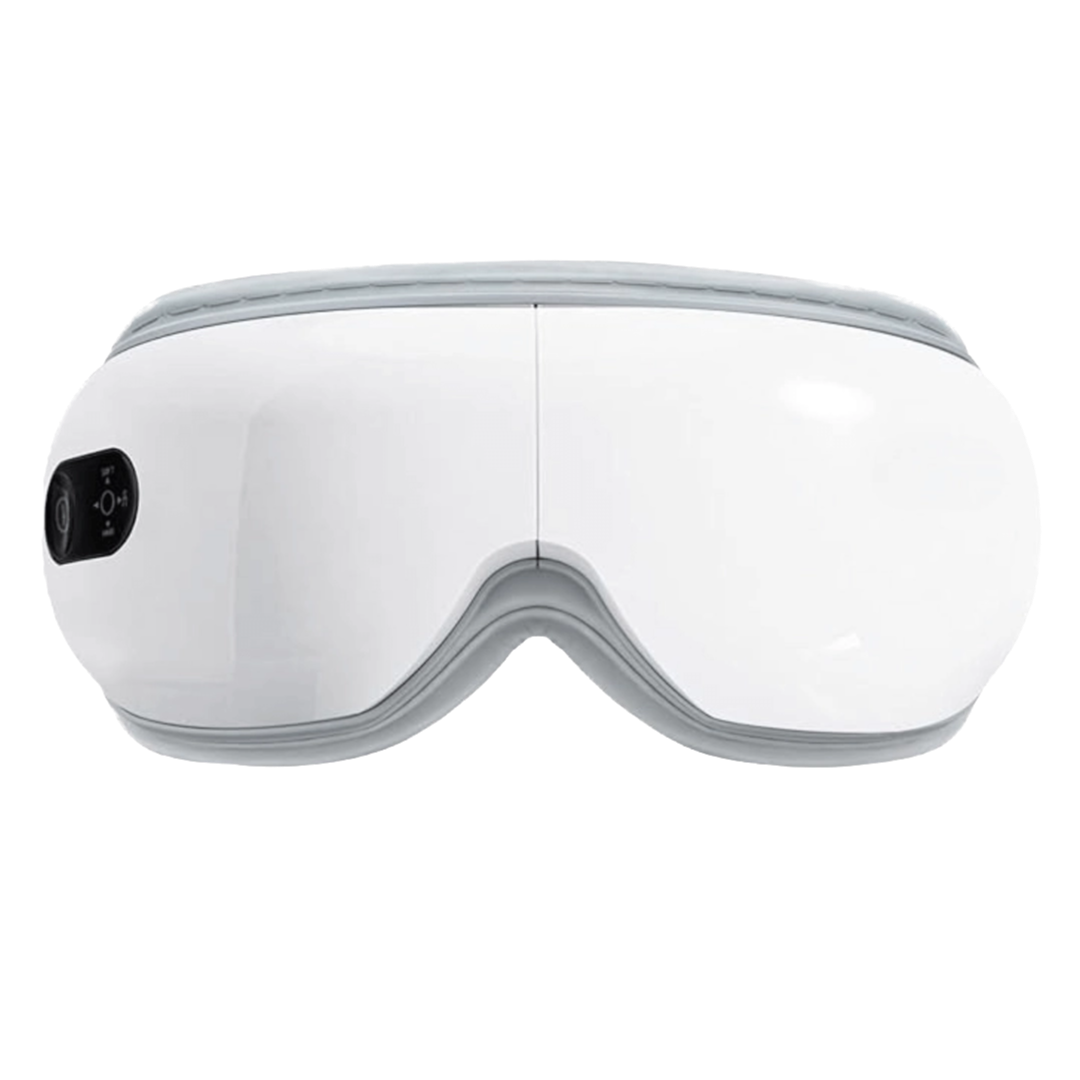
Eye Ease heated eye mask device

Ready to Put the Science to Work?

Eye Ease applies the same principles the research describes — gentle warmth, darkness, and a consistent ritual — in a simple, rechargeable device.

Disclaimer

The research cited on this page is provided for informational and educational purposes only. It does not constitute medical advice. Eye Ease is a comfort and relaxation product, not a medical device. Individual results vary. If you have concerns about your eye health or sleep, consult a qualified healthcare professional.

Affiliate Disclosure: This site contains affiliate links. We may earn a commission if you purchase through our links, at no additional cost to you.

© 2026 EyeEase Review. All rights reserved. This page is for informational purposes only and does not constitute medical advice.